Grizzl-E Classic review
The Grizzl-E Classic is a 9.6kW (40A) home charge point with a J1772 connector, sold tethered with a 7.3m built-in cable. It costs around C$599 for the unit before installation and carries a 3-year warranty. On paper it suits drivers who want a simple, durable unit and have no interest in an app.
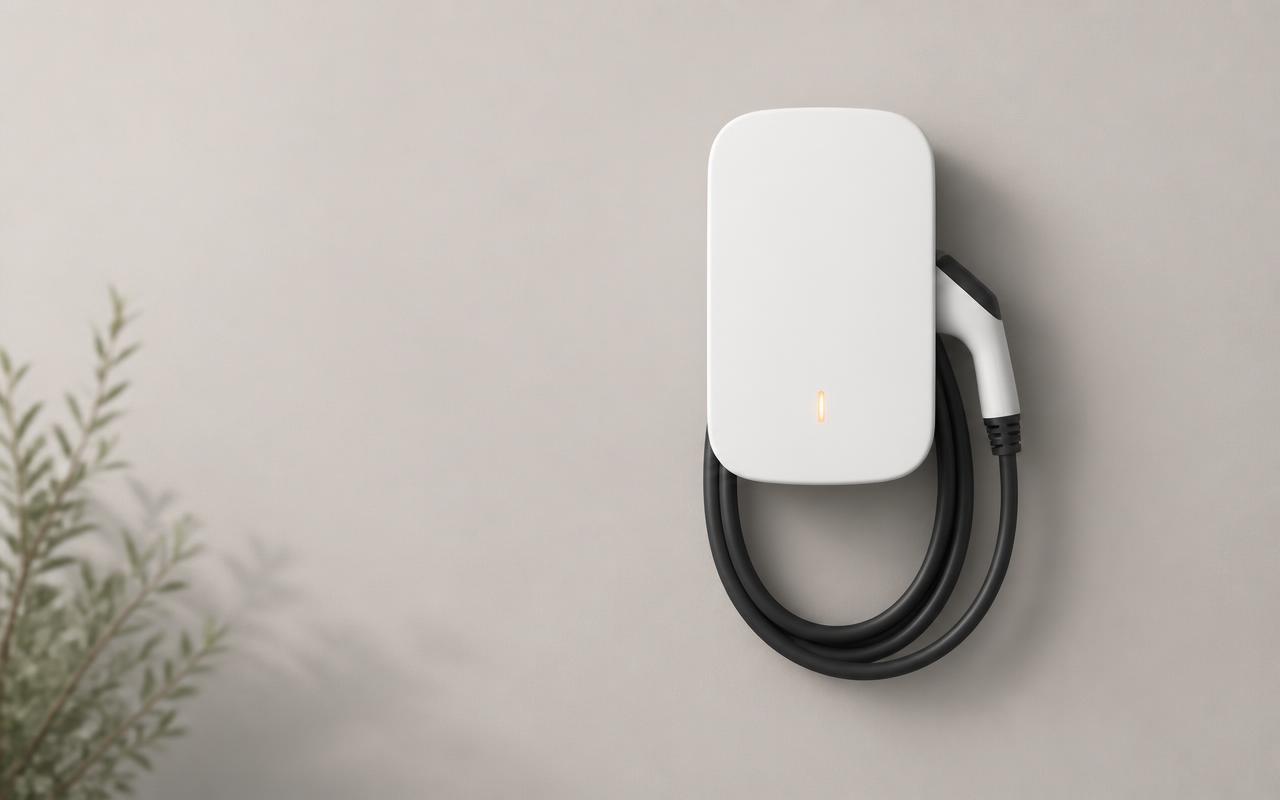 Illustrative image
This review is automatically generated from manufacturer specification data, not from hands-on testing. It is a structured summary of the published figures, not a real-world installation test.
- Unit price
- C$599
- Power output
- 9.6kW (40A)
- Connector
- J1772
- Cable
- 7.3m tethered
- Warranty
- 3 years
- Weather rating
- NEMA 4, cast-aluminium outdoor case
- Smart features
- None
- Market
- CA
Overview
The Grizzl-E Classic is a 9.6kW (40A) home charge point with a J1772 connector, sold tethered with a 7.3m built-in cable. It costs around C$599 for the unit before installation and carries a 3-year warranty. On paper it suits drivers who want a simple, durable unit and have no interest in an app.
Its headline specification point is straightforward: designed and assembled in Ontario and CSA-certified, with a cast-aluminium body built for prairie and Atlantic winters and no app to stop being supported. The sections below break the published figures down and set them against the other home chargers sold in Canada.
Specs & installation
Output is 9.6kW (40A), which adds roughly 55 km of range per hour on a typical EV and puts it among the weakest for speed in this market. J1772 is the universal AC connector in North America. Every non-Tesla EV takes it directly, and Teslas use the adapter supplied with the car.
It is tethered: the 7.3m cable is permanently attached, which is more convenient day to day but fixes your reach — among the weakest for cable length here. Measure the distance from your intended wall position to where the car's charge port sits when parked.
Installation is a job for a qualified electrician, not a DIY task. Expect a dedicated 240V circuit and breaker sized for the unit's amperage, installed to the Canadian Electrical Code and permitted through your provincial electrical authority, an isolator, earthing checks and, in many homes, some load assessment on the main supply. The unit is rated NEMA 4, cast-aluminium outdoor case. Fitting typically adds a few hundred CAD on top of the unit price, more if a long cable run or a fuse-board upgrade is needed.
Smart features
This unit has no app, Wi-Fi or scheduling of its own. That is a deliberate design choice: there is no software to be discontinued and nothing to reconnect after a router change.
You can still schedule charging from inside most EVs, so the practical loss is smaller than the spec sheet suggests — but you won't get consumption data, remote control or automatic tariff following.
Price & value
At about C$599 for the unit, it sits at the affordable end of the home chargers we list for Canada. Add installation on top; that cost depends far more on your property than on which unit you pick.
The 3-year warranty is among the weakest for this market. A charger is a fixed appliance that lives outdoors for a decade or more, so warranty length and the manufacturer's track record matter more than a small difference in purchase price.
Pros & cons
Generated from how this unit scores against every other home charger we list for this market on price, power, smart features, cable and warranty.
- Priced at the affordable end, around C$599
- Generous 7.3m tethered cable
- designed and assembled in Ontario and CSA-certified, with a cast-aluminium body built for prairie and Atlantic winters and no app to stop being supported
- Slower than rivals at 9.6kW (40A)
- No app, scheduling or energy monitoring of any kind
- Shorter 3-year warranty than rivals
Work out what home charging saves you
The unit price is a one-off; the tariff you charge on decides the running costs. Run the numbers against your current car, or shortlist an EV to plug into it.
Similarly priced chargers to review next
Guides worth reading before you install
Canada home charger grants: what you can claim for installing at home
Federal charger funding, the provincial and utility rebates that actually pay for a home unit, and the separate programmes for condo and apartment parking.
Buying & fundingCanada EV incentives: the federal iZEV programme and every province
Where the federal iZEV rebate stands, and a province-by-province breakdown of what is open, what has closed, and which provinces offer nothing at all.
Choosing a carEV vs PHEV vs hybrid: which is right for you?
A plain-English comparison of full electric, plug-in hybrid and self-charging hybrid cars, and who each one actually suits.