Tesla Wall Connector (Gen 3) review
The Tesla Wall Connector (Gen 3) is a 7.4kW (up to 22kW three-phase) home charge point with a Type 2 connector, sold tethered with a 7.3m built-in cable. It costs around A$750 for the unit before installation and carries a 4-year warranty. On paper it suits drivers who want app scheduling without paying for extras they won't use.
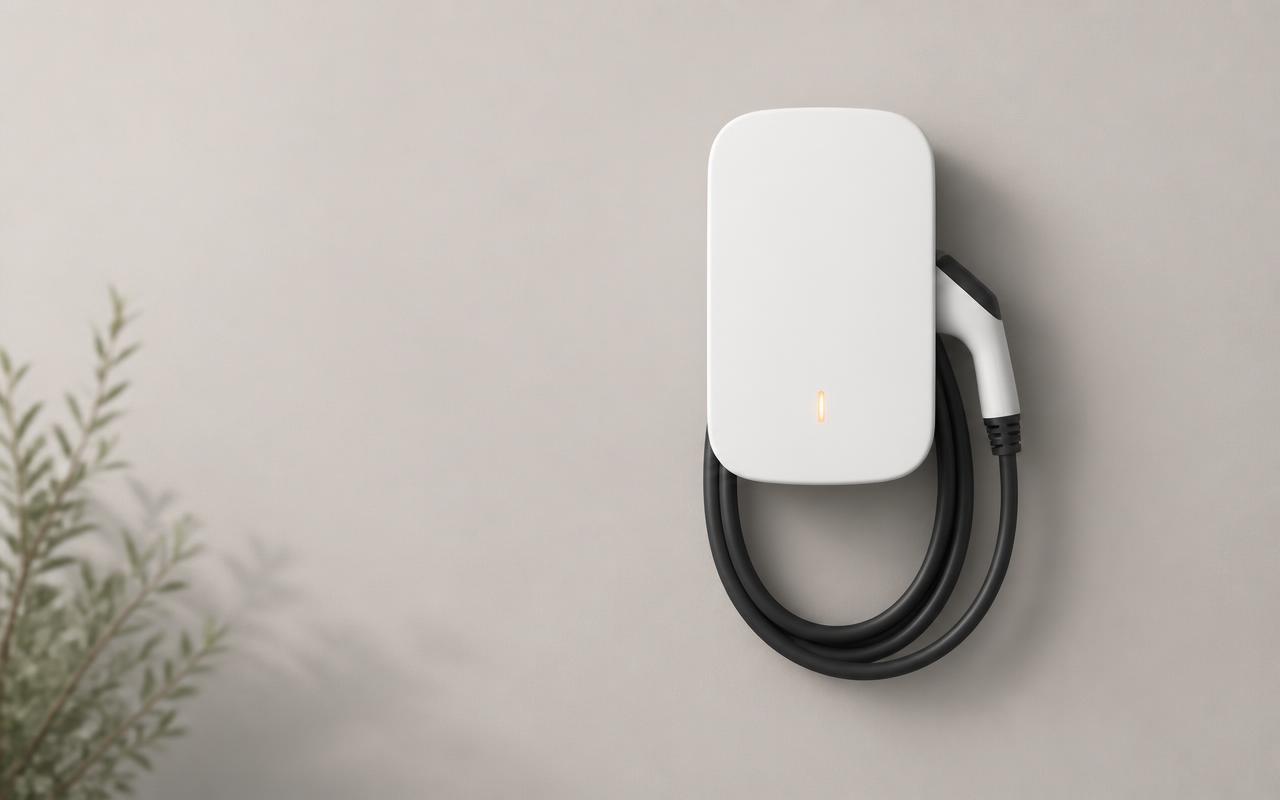 Illustrative image
This review is automatically generated from manufacturer specification data, not from hands-on testing. It is a structured summary of the published figures, not a real-world installation test.
- Unit price
- A$750
- Power output
- 7.4kW (up to 22kW three-phase)
- Connector
- Type 2
- Cable
- 7.3m tethered
- Warranty
- 4 years
- Weather rating
- IP55, outdoor rated
- Smart features
- 3
- Market
- AU
Overview
The Tesla Wall Connector (Gen 3) is a 7.4kW (up to 22kW three-phase) home charge point with a Type 2 connector, sold tethered with a 7.3m built-in cable. It costs around A$750 for the unit before installation and carries a 4-year warranty. On paper it suits drivers who want app scheduling without paying for extras they won't use.
Its headline specification point is straightforward: by far the cheapest way into a 7.4kW wall unit, and it steps up to 22kW if the property has three-phase supply. The sections below break the published figures down and set them against the other home chargers sold in Australia.
Specs & installation
Output is 7.4kW (up to 22kW three-phase), which adds roughly 40 km of range per hour on a typical EV and puts it among the weakest for speed in this market. Type 2 is the standard AC connector on every EV sold in Australia, so compatibility is not something you need to check.
It is tethered: the 7.3m cable is permanently attached, which is more convenient day to day but fixes your reach — among the very best for cable length here. Measure the distance from your intended wall position to where the car's charge port sits when parked.
Installation is a job for a qualified electrician, not a DIY task. Expect a dedicated 32A single-phase circuit from the switchboard (or a three-phase supply for the faster units), wired to AS/NZS 3000 with RCD protection and signed off with a certificate of electrical safety, an isolator, earthing checks and, in many homes, some load assessment on the main supply. The unit is rated IP55, outdoor rated. Fitting typically adds a few hundred AUD on top of the unit price, more if a long cable run or a fuse-board upgrade is needed.
Smart features
Published smart capability covers app control, scheduled charging, load balancing — among the weakest against the rest of the Australian field.
Scheduling lets you set charging windows so the car fills up overnight. Load balancing throttles the charger when the rest of the house is drawing heavily, which avoids tripping the main supply.
Price & value
At about A$750 for the unit, it sits at the affordable end of the home chargers we list for Australia. Add installation on top; that cost depends far more on your property than on which unit you pick.
The 4-year warranty is among the very best for this market. A charger is a fixed appliance that lives outdoors for a decade or more, so warranty length and the manufacturer's track record matter more than a small difference in purchase price.
Pros & cons
Generated from how this unit scores against every other home charger we list for this market on price, power, smart features, cable and warranty.
- Priced at the affordable end, around A$750
- Longer 4-year warranty than most
- Generous 7.3m tethered cable
- by far the cheapest way into a 7.4kW wall unit, and it steps up to 22kW if the property has three-phase supply
- Slower than rivals at 7.4kW (up to 22kW three-phase)
- Limited smart features next to rivals: app control, scheduled charging, load balancing
Work out what home charging saves you
The unit price is a one-off; the tariff you charge on decides the running costs. Run the numbers against your current car, or shortlist an EV to plug into it.
Similarly priced chargers to review next
Guides worth reading before you install
Australia home charger grants: what your state will and will not pay for
Why there is no national home charger rebate, which states and territories still help, and how solar, batteries and off-peak tariffs do most of the work instead.
Buying & fundingAustralia EV incentives: the FBT exemption and every state and territory
How the fringe benefits tax exemption works, why most state rebates have now closed, and what stamp duty and registration concessions are left where you live.
Choosing a carEV vs PHEV vs hybrid: which is right for you?
A plain-English comparison of full electric, plug-in hybrid and self-charging hybrid cars, and who each one actually suits.